
Hope Springs Eternal: A global experiment in stem cell futures
In a Petri dish, heart cells begin to move.
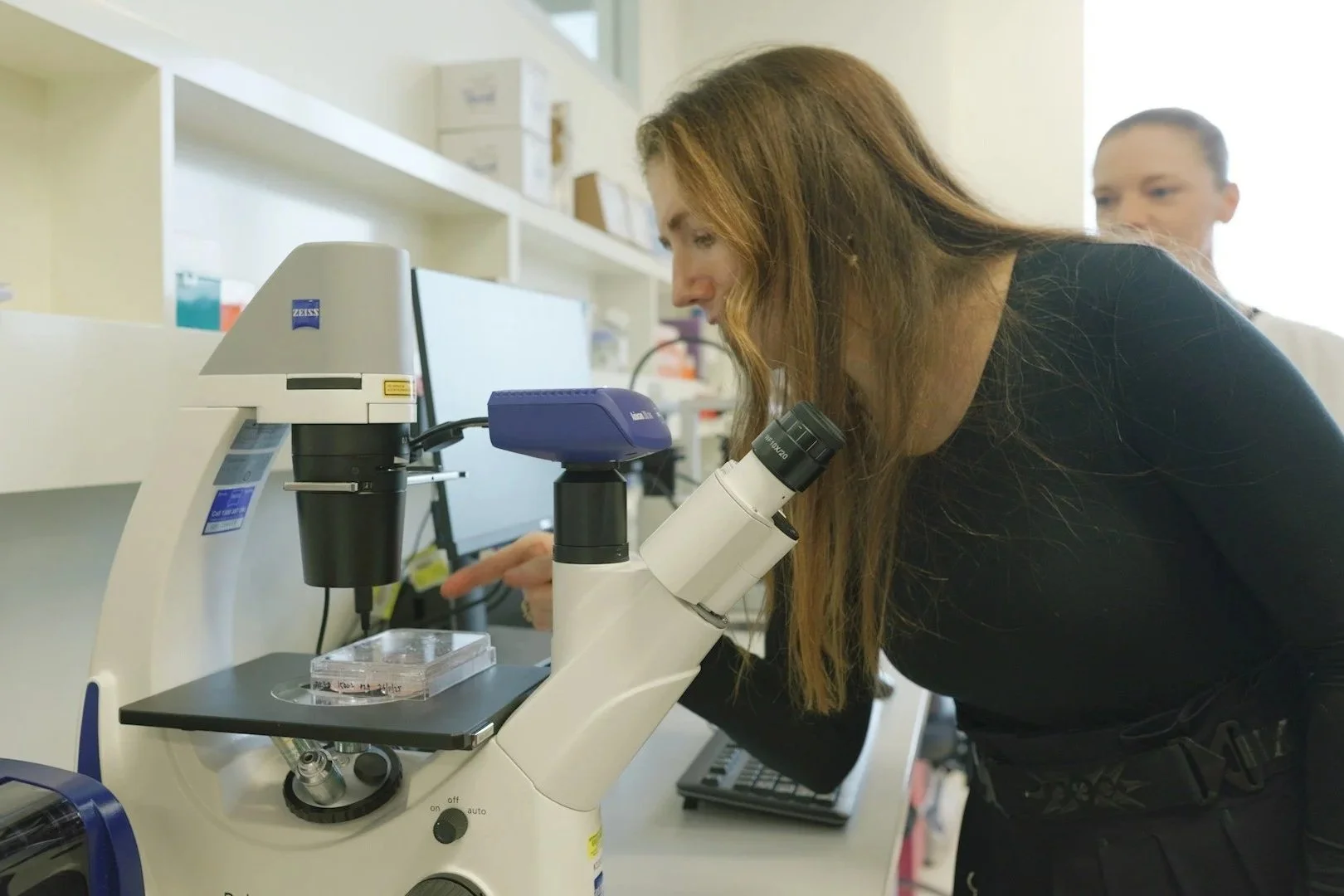
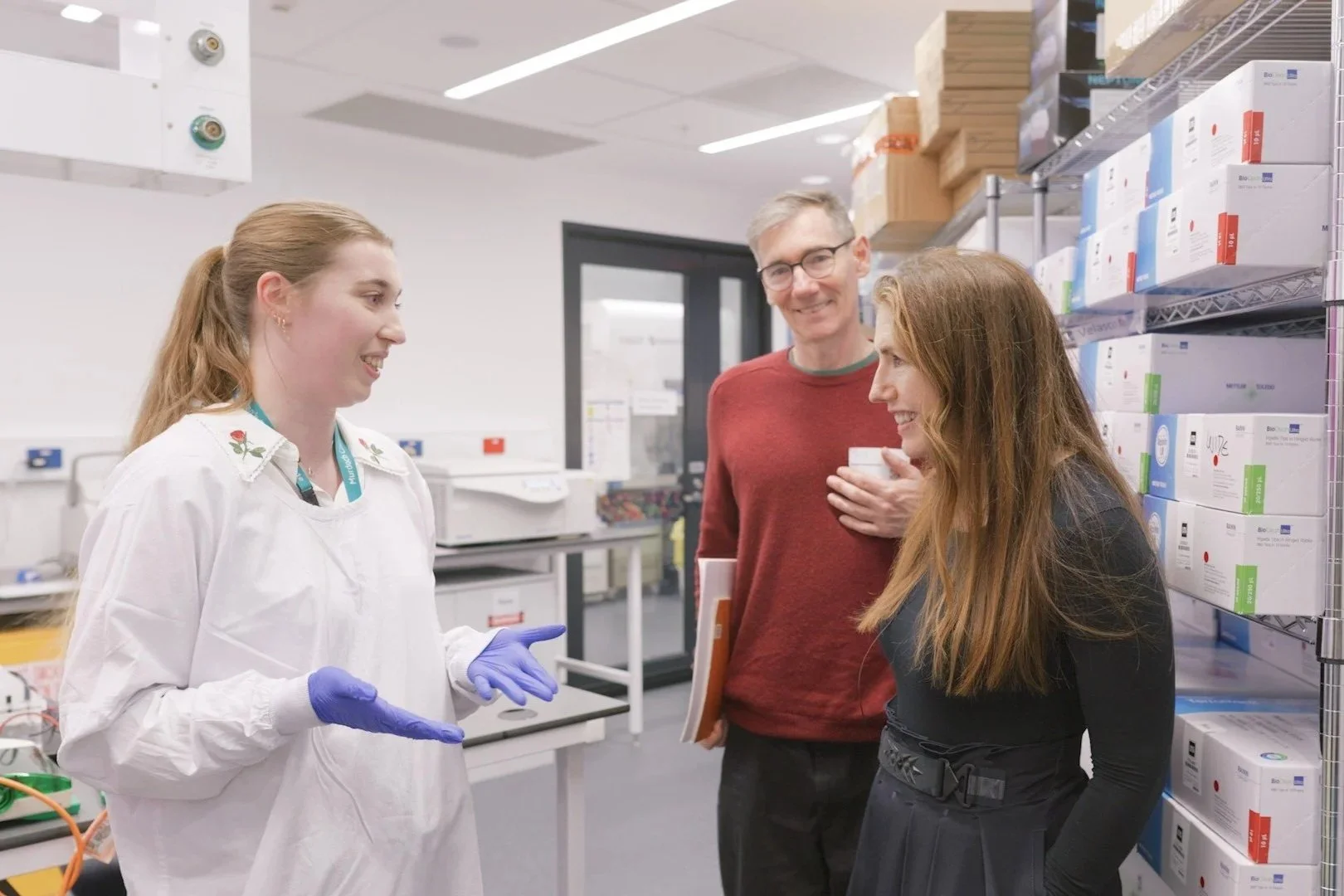
Visiting a stem cell laboratory, artist Patricia Piccinini watches the cells. Growing in a perfect 37-degree environment, our body temperature, they quietly beat together. Not as a full organ, not as a heart we would recognise, but as something undeniably alive in its own way.
“I was struck by both the beauty and strangeness of this science”
Moments like this sit at the centre of Hope Springs Eternal – a global research and exhibition project exploring how stem cell science is reshaping not only medicine, but how we imagine the future. What once felt speculative is now tangible. And yet, for all this progress, the future of stem cell medicine remains nascent, unfolding slowly and in unexpected forms.
A shared question, across borders
Hope Springs Eternal brings together collaborators in Melbourne, Copenhagen and Leiden to explore a deceptively simple question: what does hope look like in science today?
Anchored in stem cell research and funded through reNEW, the Novo Nordisk Foundation Centre for Stem Cell Medicine, the project moves beyond traditional exhibition-making. Scientists and artists work together through a co-curatorial process – shaping not just what is shown, but how ideas are explored, questioned and shared.
Across each location, the project takes on a different form, responding to local contexts and communities. But at its core is a shared commitment: to engage audiences with science not as a finished story, but as something still in progress.
Enter the artist
For the Melbourne presentation, Hope Springs Eternal takes shape through Patricia Piccinini’s new work, Células Madre, commissioned through the support of reNEW.
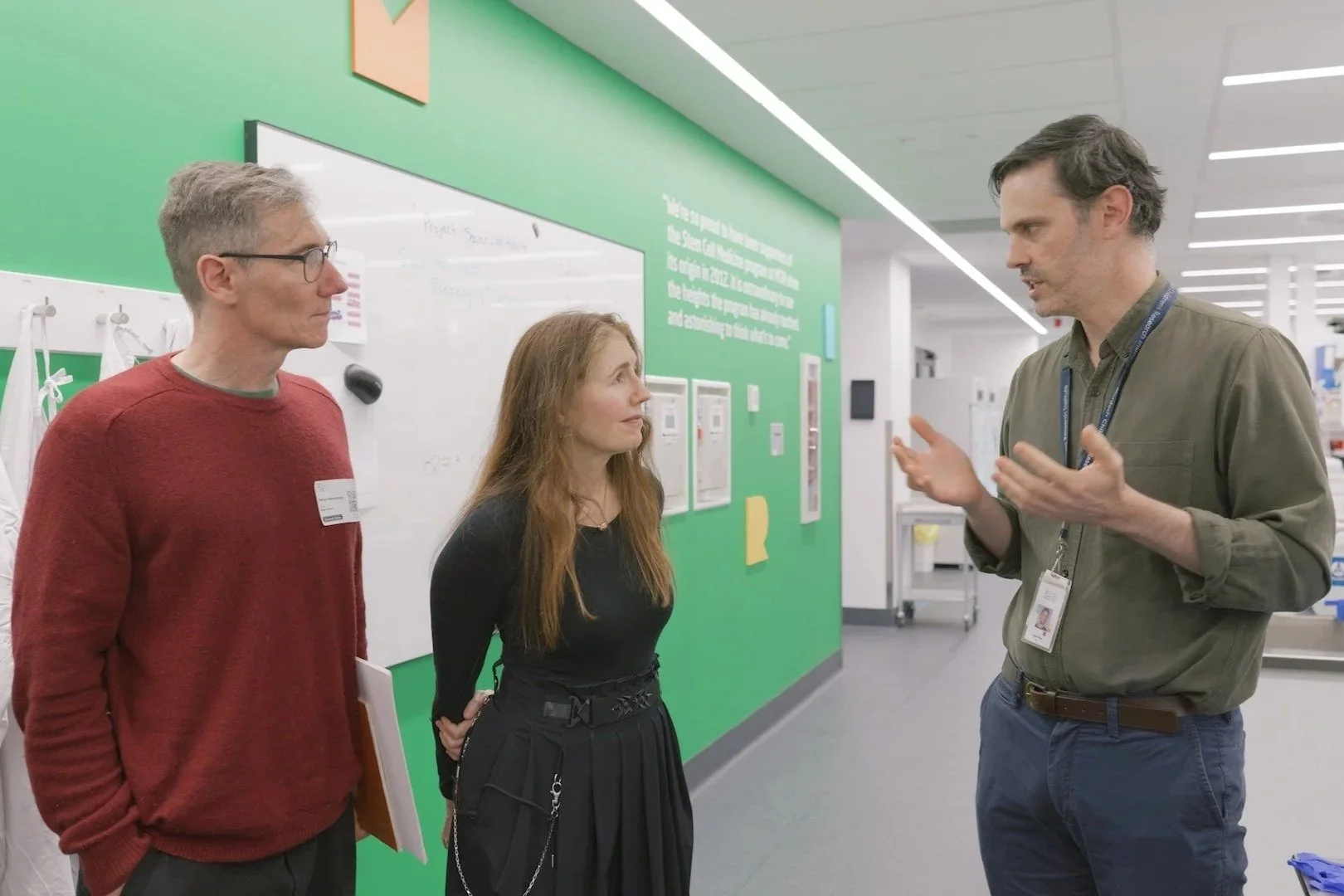
To develop the work, Piccinini worked closely with stem cell researchers, including visits to laboratories at the Melbourne node of reNEW, based at the Murdoch Children’s Research Institute. These exchanges offered insight into how the field is evolving in practice – less about trying to grow fully formed organs in a dish, and more about hybrid approaches, combining stem-cell-derived materials with mechanical or engineered systems to mimic an organ’s essential functions.
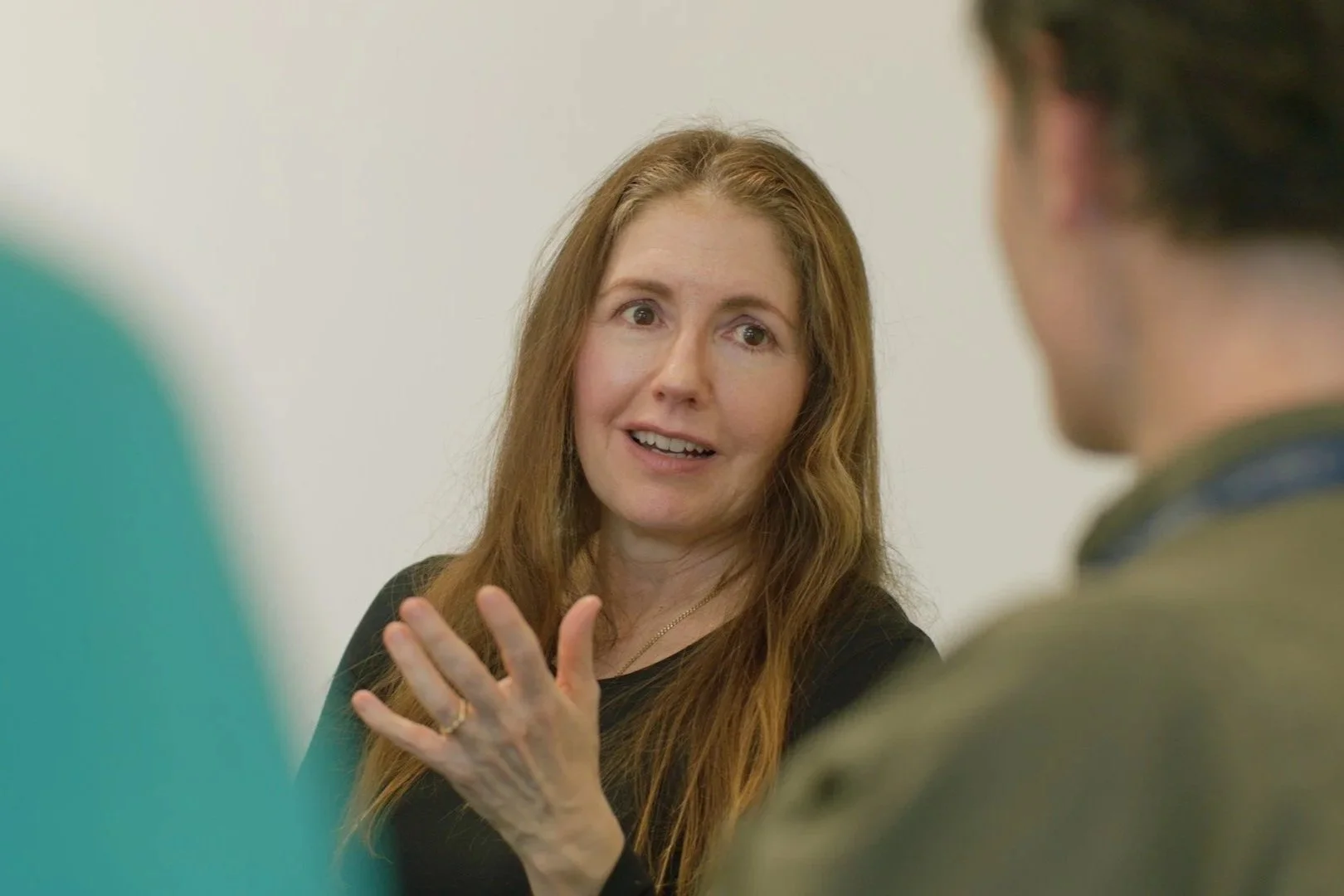
“This complexity both challenges and excites me as an artist.”
In response, she returned to her earlier work, Still Life with Stem Cells (2002), reimagining its central figure, a young girl playing with an assembly of organoid lumps, decades later. The child becomes an adult, now living alongside an amorphous, life-supporting structure shaped by the realities of contemporary stem cell research.
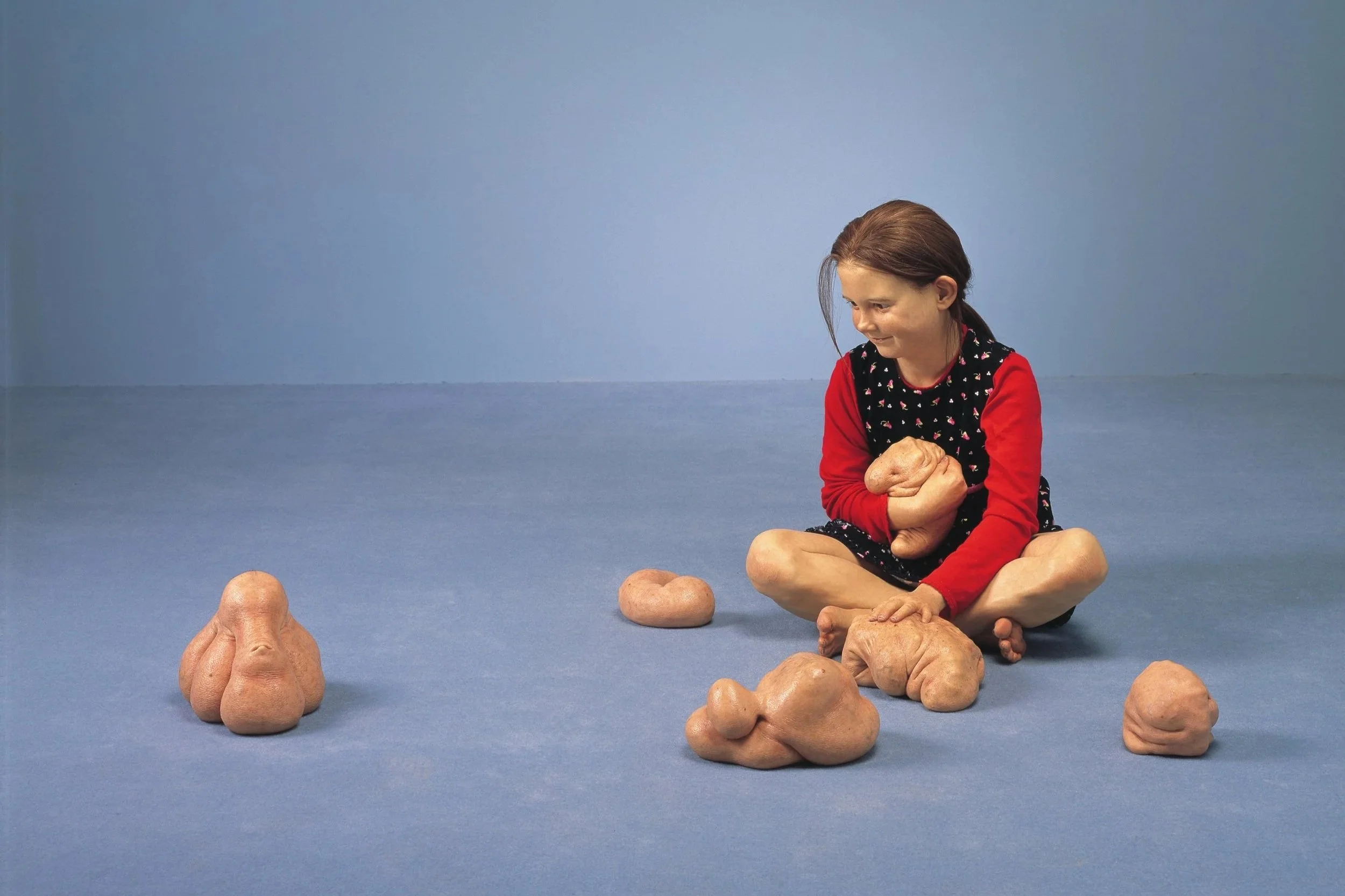
Still Life with Stem Cells (2002) by Patricia Piccinini. Artwork credit: Monash University Collection, Courtesy of Monash University Museum of Art.
Science, over time
In the decades since Still Life with Stem Cells was first exhibited, stem cell science has changed significantly. While embryonic stem cells remain important in research, scientists now more commonly use induced pluripotent stem cells – created in the lab from donated blood or skin cells. Over the last twenty years, scientists have also discovered how to better direct stem cells to form specific cells of the body, allowing them to model diseases, test drugs and develop potential therapies in new ways.
Hundreds of clinical trials are now underway globally, exploring how stem cell-based therapies might treat a range of conditions. At the same time, the field has become increasingly complex, combining biological materials with engineered systems.
By grounding the commission in real laboratory practices and scientific collaboration, Hope Springs Eternal offers audiences a chance to encounter this evolving field not as science fiction, but as an active and unfolding area of research.
A global conversation
While the Melbourne presentation unfolds within the gallery, Hope Springs Eternal is part of a broader international collaboration, with parallel exhibitions and programs developed alongside partners in Denmark and the Netherlands.
Each institution brings different perspectives and histories to the project, expanding how stem cell science is understood across cultural and public contexts. Together, the exhibitions ask not only what these technologies might become, but how communities engage with scientific change as it happens.
In Copenhagen, the exhibition Liquid Bodies unfolds across Medical Museion and Politikens Forhals showcasing new artworks by Charlotte Jarvis, Jens Settergren, Davide Hjort di Fabio, and Cecilie Waagner Falkenstrøm that emerged from close dialogue with social scientists and stem cell researchers from across reNEW. Using materials ranging from aluminium and mosaic to digital media and the artist’s own cells, the artworks investigate the stuff of the body: shaped by hope as well as technology, entangled with our identities.
Now showing: EMERGENCE[Y]
At Science Gallery Melbourne, these ideas come to life within EMERGENCE[Y] – an exhibition exploring how we adapt in a world defined by ecological, technological and social change.
Piccinini’s new commission is presented alongside Still Life with Stem Cells for the first time, creating a dialogue across two decades of scientific and artistic change. Together, the works trace the evolving promises, uncertainties and realities of stem cell medicine, while inviting audiences to reflect on how emerging technologies may shape future generations.
Also included in EMERGENCE[Y], An Internal Other (2026) Cecilie Waagner Falkenstrøm follows it’s Copenhagen run with a Melbourne showing. It invites audiences to explore the ethical and personal questions that emerging stem cell technologies may raise through a series of interactive speculative scenarios.
Alongside the exhibition, a day of talks on Sat 15 August will bring MCRI researchers, Patricia Piccinini and audiences together to continue the conversation.

reNEW is an international consortium based at the University of Copenhagen in Denmark, Murdoch Children’s Research Institute in Australia, and Leiden University Medical Center in the Netherlands.
This exhibit is part of an international project titled Hope Springs Eternal, anchored in reNEW’s social science research group (PREPARE). reNEW is supported by a Novo Nordisk Foundation grant number NNF21CC0073729.
Image Credits: Patricia Piccinini (AU) visits Murdoch Children's Research Institute as part of the Hope Springs Eternal project for Science Gallery Melbourne's EMERGENCE[Y] (Takeshi Kondo, 2026).