Future Careers Forum: Reimagining Futures
Monday 30 November 2026 | Online Event
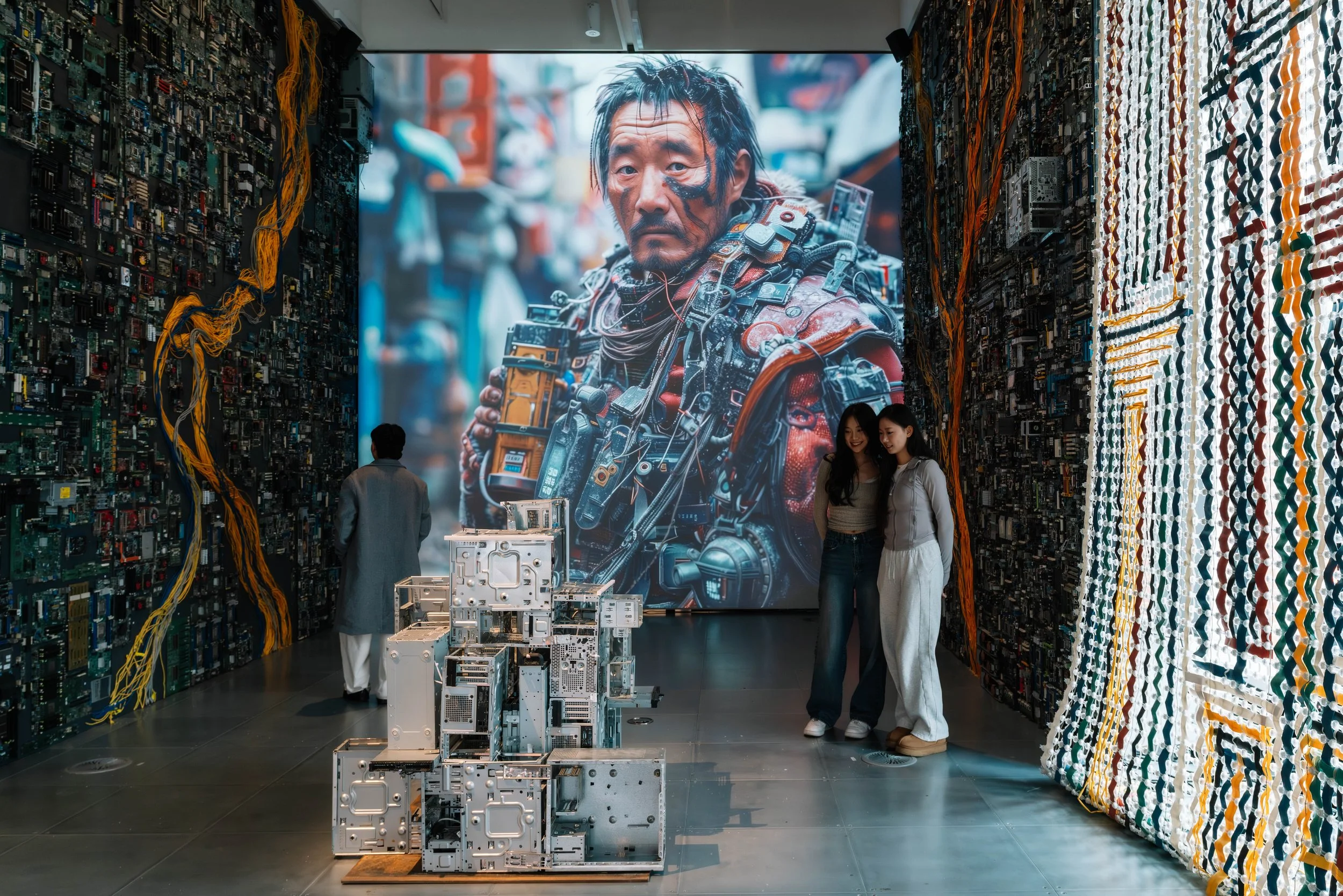
The Future Careers Forum (未来职业论坛) is a free online event which provides an opportunity for secondary students (Yrs 7-12) to hear about non-traditional career journeys in transdisciplinary spaces.
In collaboration with the Beijing Global Network of Science Festivals (BGNSF), this panel discussion will explore cutting-edge careers focused on reimagining our futures. In an age marked by ecological collapse, technological acceleration, and social upheaval, adaptation becomes not only a biological imperative but a creative and ethical act. This exhibition asks: how might we not only survive through change but emerge in a critically reimagined future?
Register below for your students to stream live or watch the recording later in class, and see below for more information about our speakers.
Watch the live event online at the following Australian and International Time zones:
Melbourne / Sydney / Canberra / Hobart: 1:00 – 2:00 pm (UTC+11)
Brisbane (UTC+10): 12:00 – 1:00 pm
Perth (UTC+8): 10:00 – 11:00 am
Auckland (UTC+13): 3:00 – 4:00 pm
Seoul (UTC+9): 11:00 am – 12:00 pm
Shanghai / Beijing (UTC+8): 10:00 – 11:00 am
Tokyo (UTC+9): 11:00 am – 12:00 pm
Jakarta (UTC+7): 9:00 – 10:00 am
New Delhi (UTC+5:30): 7:30 – 8:30 am
Featured Speakers
Moderator
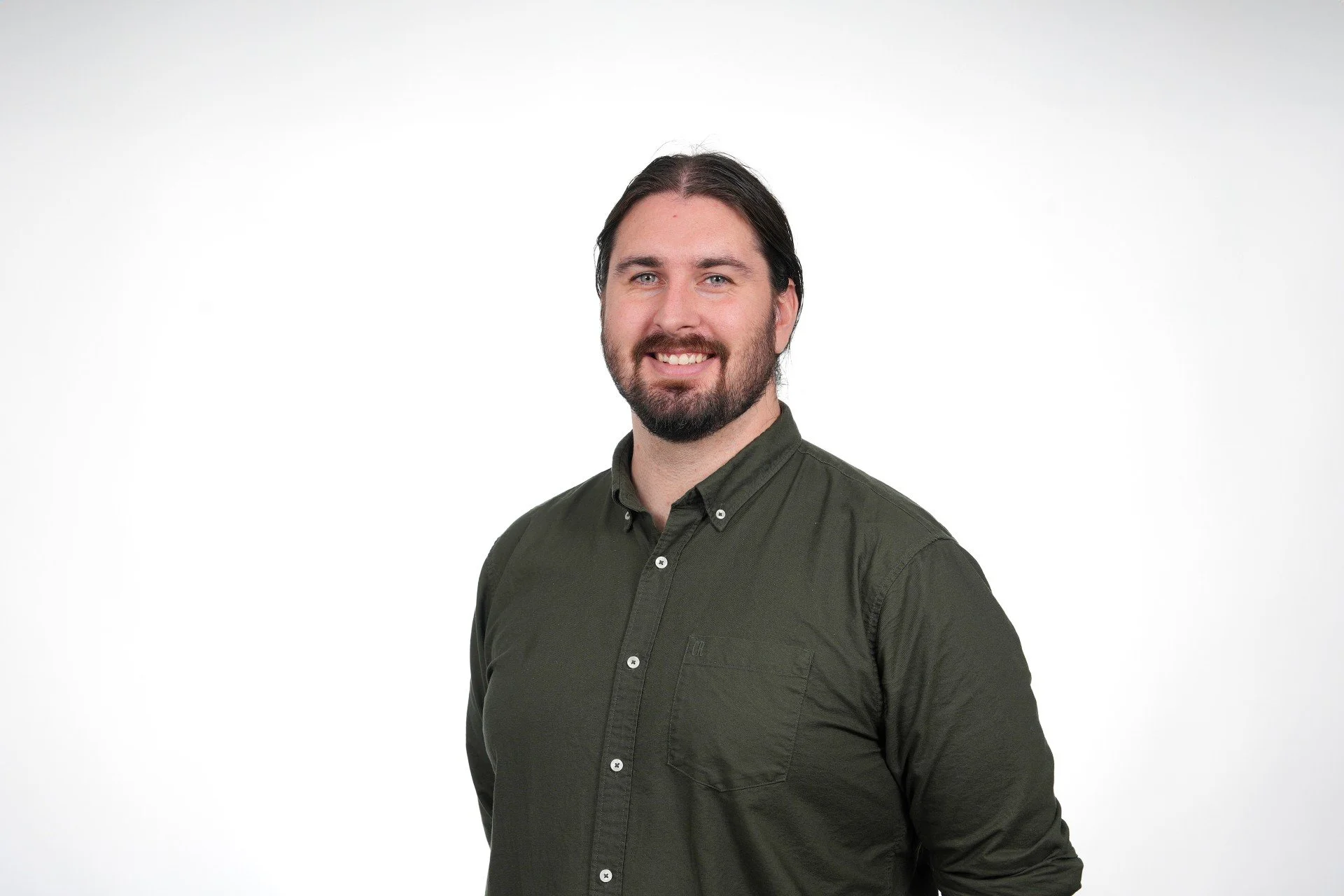
Matthew Coffey, Indigenous Outreach & Education Coordinator, The University of Melbourne, Australia
Matt is a proud Wiradjuri man and passionate educator who leads the Outreach and Education portfolio for the ARC Centre of Excellence for the Mathematical Analysis of Cellular Systems. He previously worked at the Walter and Eliza Hall Institute of Medical Research and Science Gallery Melbourne, designing and delivering STEM education programs. Matt is delighted to host the Future Careers Forum: Reimagining Futures and is excited to hear from experts pushing the boundaries of what’s possible in their fields.

Panelist
Margaux Robineau, Agriculturalist, Greenspace Vertical Farms
Margaux run’s a high-tech indoor farm, known as a hydroponic or vertical farm where I grow micro-greens. These plants are often referred to as a superfood due to their intense flavour and a highly concentrated nutrient profile. My days involve controlling and optimising an entire growing system. I was drawn to this space by questioning how well-established agricultural techniques could become more resource-conscious for the future, alongside an interest in applying biological research and sustainable engineering.
Panelist
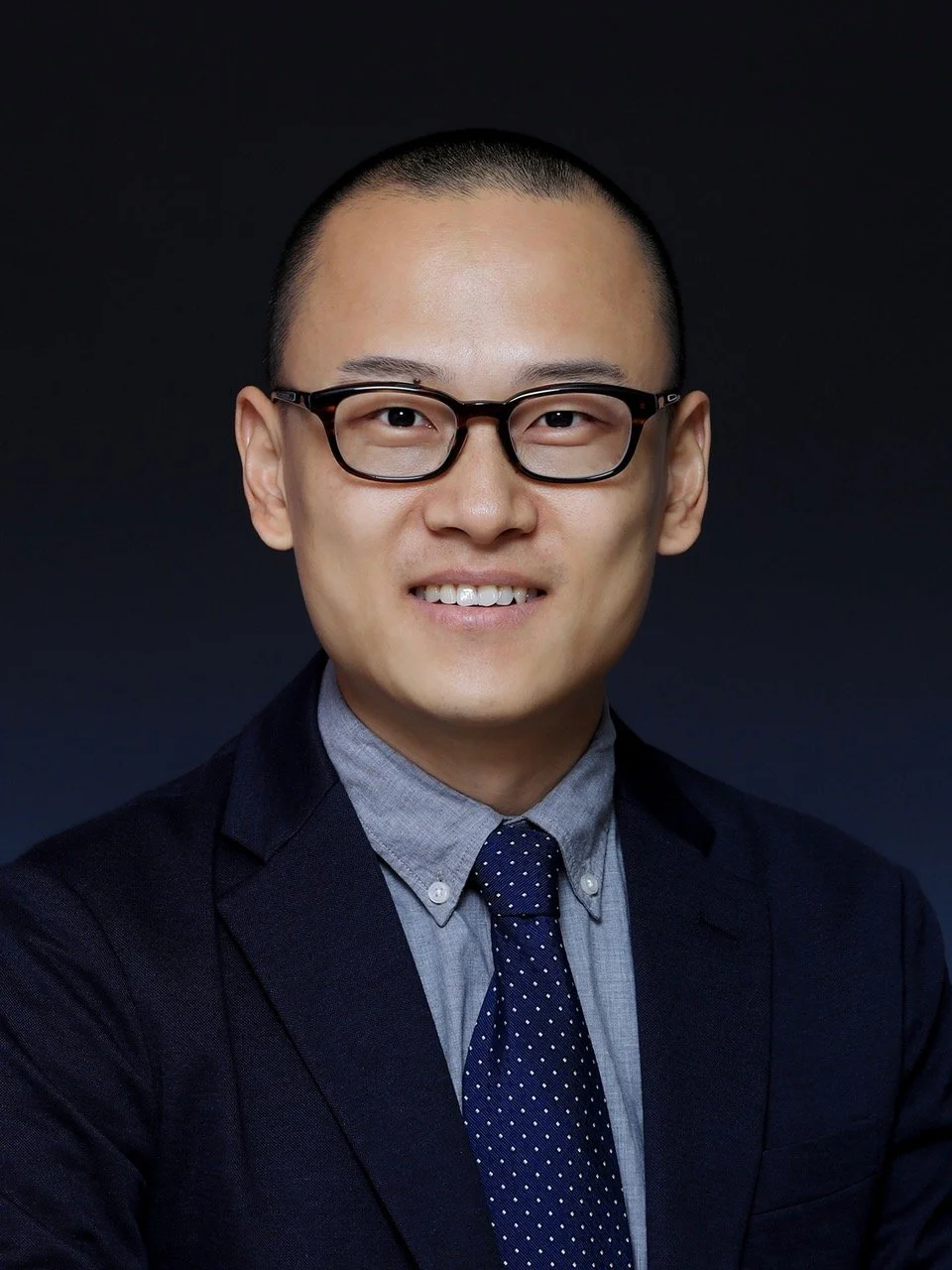
Li Tiefu, Associate Professor and Assistant Dean of the School Microelectronics, Tsinghua University, China
Li Tiefu received his B.S. and Ph.D. degrees from the Department of Electronic Engineering and the Institute of Microelectronics at Tsinghua University, respectively. He is currently an Associate Professor and Assistant Dean of the School of Integrated Circuits. He also serves as a Concurrent Researcher and Assistant Dean at the Beijing Academy of Quantum Information Sciences, and as a Visiting Researcher at RIKEN, Japan. His research interests include superconducting quantum computers, quantum interface devices, cryoCMOS chips, and quantum-AI hybrid algorithms.
Panelist
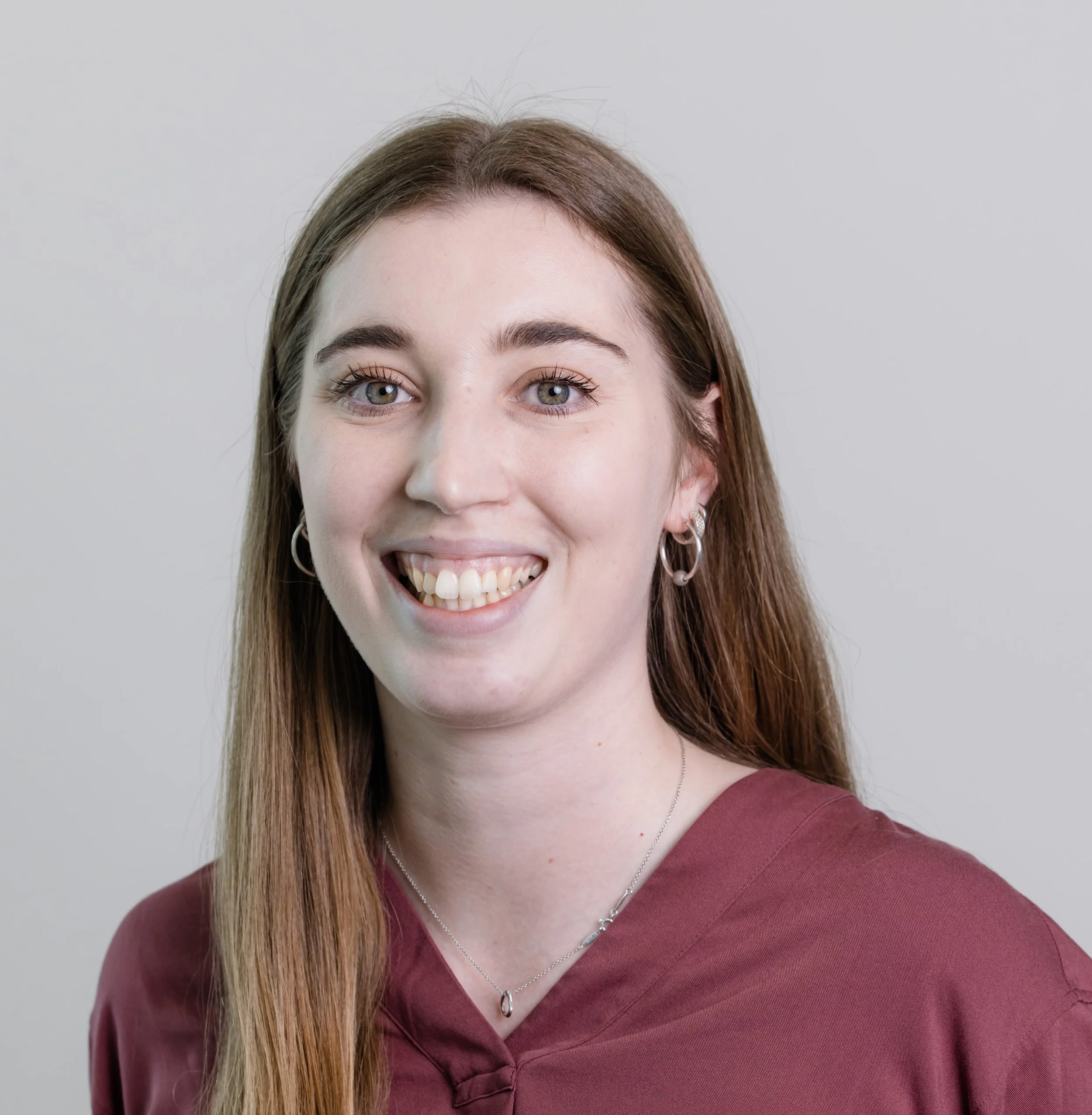
Dr Kellie Veen, Research Officer, Murdoch Children’s Research Institute, Melbourne, Australia
Kellie is a postdoctoral researcher in the Neural Stem Cells lab at the Murdoch Children’s Research Institute. She obtained her PhD in neural stem cell biology at the Peter MacCallum Cancer Centre and University of Melbourne. Currently, Kellie makes 3D models of specific brain regions, using stem cells derived from patient samples. Kellie uses brain organoids to research how brain diseases originate, progress, and affect brain development.
Panelist
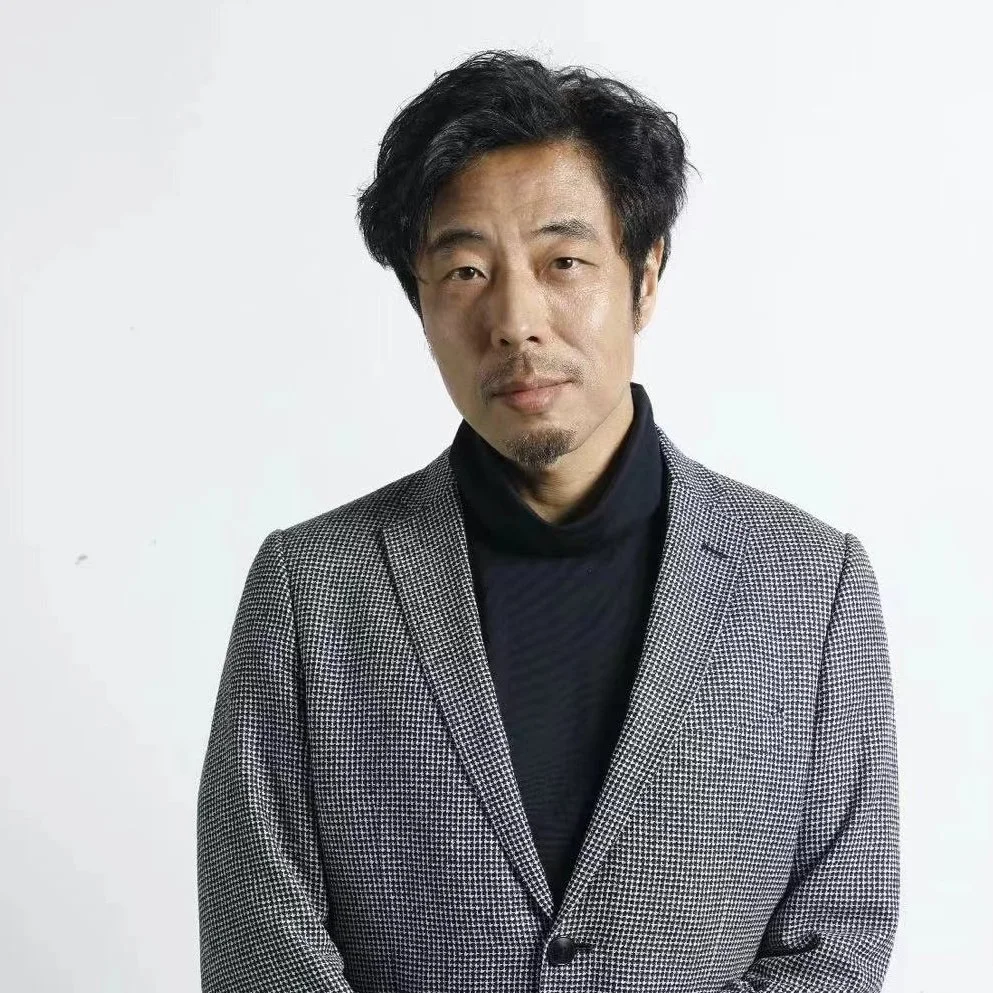
Professor Zhigang Wang, Media Artist and Professor at the Academy of Tsinghua University, Beijing, China
Prof. Zhigang Wang is a media artist and Professor at the Academy of Arts & Design, Tsinghua University, where he heads the Department of Information Art and Design. Working at the intersection of art and technology, he creates immersive experiences connecting ancient heritage with future technologies — from digitising China's caisson ceilings to Tuengel, an installation built from hundreds of discarded computers. He has designed visuals for events like the Beijing 2022 Paralympic Winter Games ceremonies.
Global Collaborators
This event is presented in collaboration with the Beijing Global Network of Science Festivals (BGNSF) and the Shanghai Institute of Education in Science, Technology and Innovation.